Discover proven non-surgical hair loss treatments like laser therapy, microneedling, and stem cell options. Skip surgery and regain confidence.
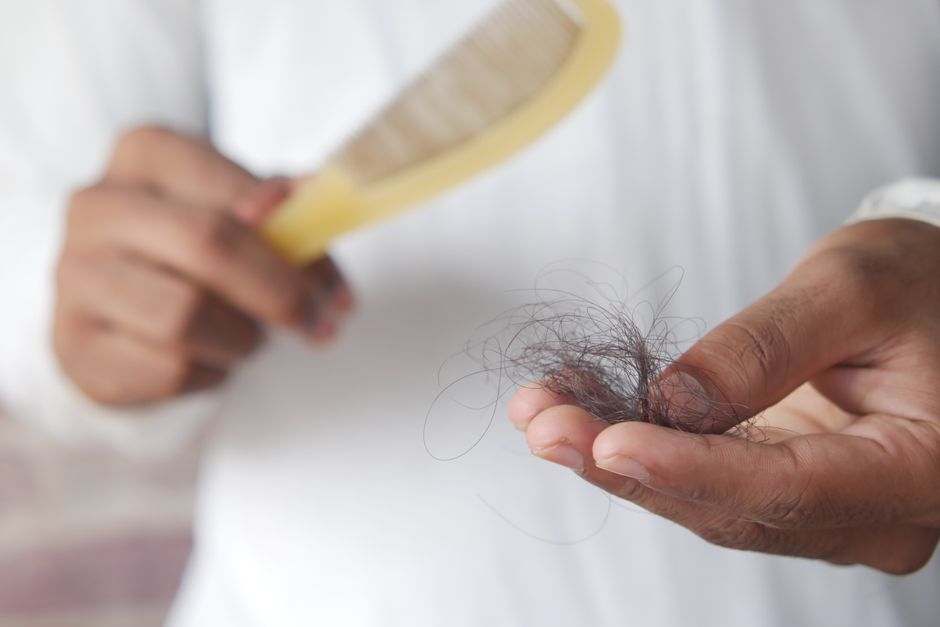
Hair loss is stressful, but here’s the good news: you don’t need surgery to fix it. Whether you’re noticing thinning at the crown, a receding hairline, or overall volume loss, there are real, proven options for hair loss treatment without surgery that deliver results in months, not years.
Let’s walk through what’s actually available, how each one works, and which approach might be right for you.
Related: Hair Loss Treatment in Lake Jackson, Texas: Your Guide to FoLix
Related: How to Reduce Fine Lines Without Surgery: 7 Proven Methods
What Causes Hair Loss (and Why It Matters)
Before jumping into treatments, you need to understand what’s happening on your scalp. Hair loss can stem from genetics (the most common cause), hormonal changes, stress, nutritional deficiencies, or underlying health conditions.
This is critical: if you have an underlying disease driving your hair loss, treating the disease comes first. That’s why starting with a consultation is so important. A provider can rule out thyroid issues, autoimmune conditions, or other factors that might be the real culprit.
Low Level Laser Light Therapy (LLLT) for Hair Growth
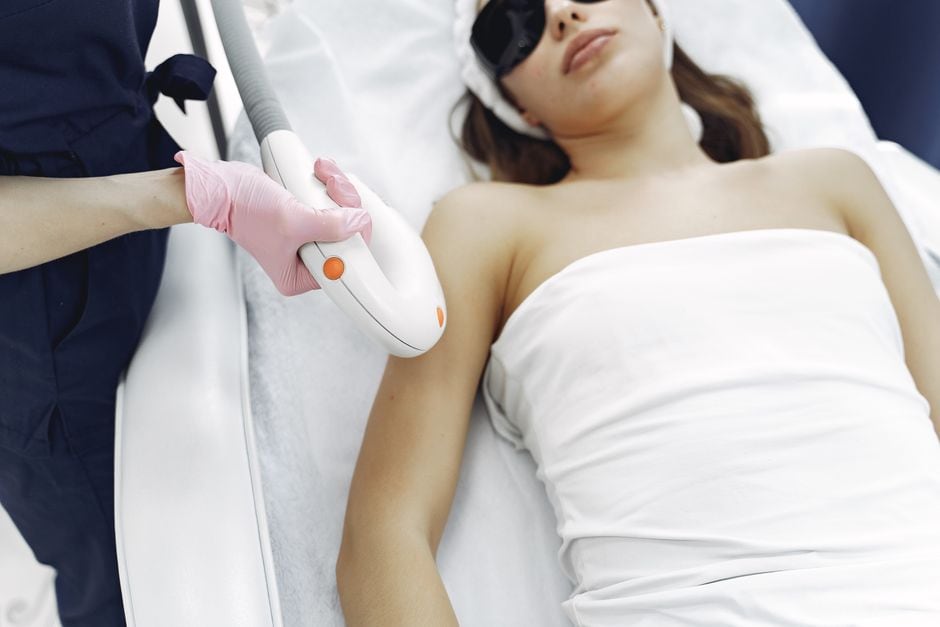
Low level laser light therapy is one of the most researched non-surgical hair loss treatments available. It works by stimulating your hair follicles at the cellular level, increasing blood flow and energy production in the cells responsible for hair growth.
You have options here:
- Clinical treatments: You visit a provider’s office for in-office laser sessions. This is where you’ll see the most advanced equipment and the highest light intensity.
- At-home devices: Laser combs, headbands, and helmet-style devices let you treat yourself at home. These are less powerful than clinical versions, but consistent use adds up over time.
Results typically show within 4 to 6 months of regular use. Studies show LLLT can slow hair loss and even stimulate regrowth when used consistently.
Microneedling: An Emerging Non-Surgical Option
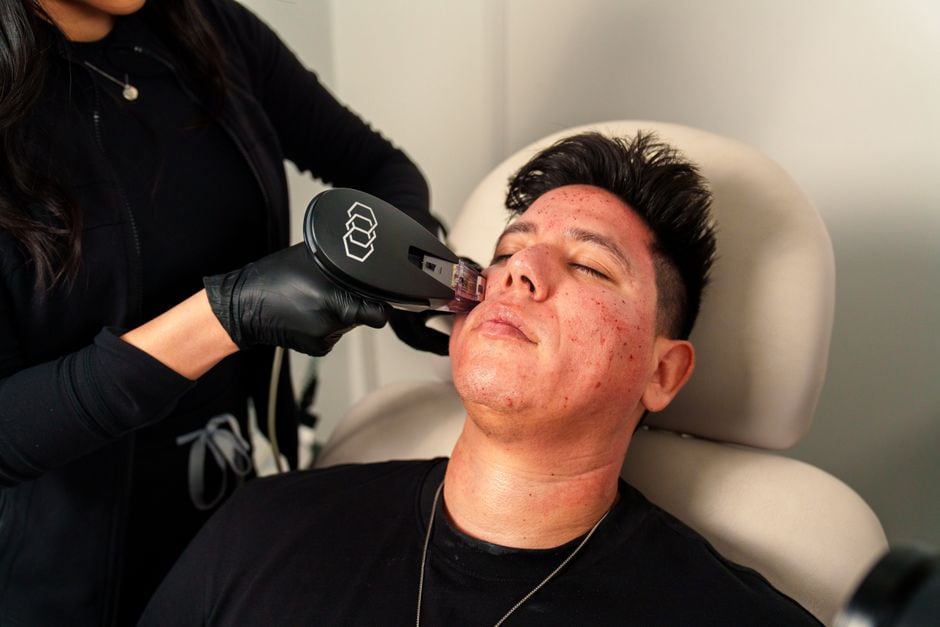
Microneedling isn’t just for your face anymore. This technique involves using tiny needles to create controlled micro-injuries on the scalp, which triggers your body’s natural healing response and can stimulate hair follicles.
When combined with topical serums or growth factors, microneedling becomes even more effective because those ingredients penetrate deeper into the scalp. Think of it as creating tiny channels for nutrients to reach the hair root.
Most people see improvement after a series of treatments spaced 4 to 6 weeks apart. It’s minimally invasive, has little to no downtime, and pairs well with other non-surgical approaches.
Stem Cell-Based Treatments: The Newest Technology
Stem cell therapy represents the cutting edge of non-surgical hair restoration. These advanced treatments use the body’s own healing mechanisms to reverse hair thinning and restart the growth cycle.
The process works by introducing regenerative cells into the scalp that promote new hair follicle activity and improve the scalp environment. This isn’t experimental anymore, either. Results can show within 6 months, with many patients seeing continued improvement over a year.
If you’re serious about tackling hair loss and want the most advanced option available, stem cell-based treatments are worth exploring. Echelon Medspa specializes in these regenerative approaches and can explain whether you’re a good candidate.
TransEpidermal Delivery (TED): Targeted Scalp Nourishment

TransEpidermal Delivery is a newer technology that pushes active ingredients through the outer layer of your scalp without needles or invasive tools. It’s like turbocharging topical treatments so they actually penetrate where your hair roots live.
TED works best when combined with growth-promoting serums or medications. It’s painless, quick, and can be done in an office setting with no downtime.
Over-the-Counter Medications: The Reliable Standby
Let’s be real: Rogaine (minoxidil) and Propecia (finasteride) are FDA-approved, well-studied, and actually work. They’re available without special equipment or expensive office visits.
Minoxidil is a topical solution you apply directly to your scalp twice daily. It widens blood vessels and increases nutrient delivery to hair follicles. Finasteride is a pill that blocks the hormone responsible for genetic hair loss in men.
These medications work best when started early and used consistently. Results take 3 to 6 months to appear, and if you stop using them, benefits fade. They’re also often more affordable than in-office treatments, making them a practical entry point for many people.
Combination Approaches: Stacking Your Results
Here’s what providers increasingly recommend: don’t rely on just one treatment. Combining methods often delivers better results than any single approach alone.
For example, you might use minoxidil at home while getting monthly microneedling treatments and occasional laser sessions. Or you might start with stem cell therapy and support it with daily laser use and topical serums.
Your provider can design a personalized plan that fits your timeline, budget, and hair loss severity. That’s where a consultation at Echelon Medspa makes sense, especially if you want advanced options like stem cell treatments or TED combined with clinical-grade laser therapy.
How Long Before You See Results?
Patience is part of the deal with any hair loss treatment. Here’s a realistic timeline:
- Medications (minoxidil, finasteride): 3 to 6 months
- LLLT: 4 to 6 months
- Microneedling: 2 to 3 months per session (multiple sessions recommended)
- Stem cell treatments: 3 to 6 months, with continued improvement up to 12 months
Hair grows slowly. Your follicles need time to respond, enter the growth phase, and produce visible strands. Don’t expect miracles in week two.
What To Expect During Consultations

A good consultation will include:
- A thorough assessment of your hair loss pattern and severity
- Questions about your medical history, stress levels, and lifestyle
- Blood work or other diagnostics to rule out underlying conditions
- Clear explanation of which treatments might work best for your situation
- Realistic expectations about timeline and results
- Pricing and package options
This isn’t high-pressure sales territory, it’s medical-grade guidance. You’re investing in your confidence, so make sure you understand every option before committing.
Why Non-Surgical Treatments Are Worth It
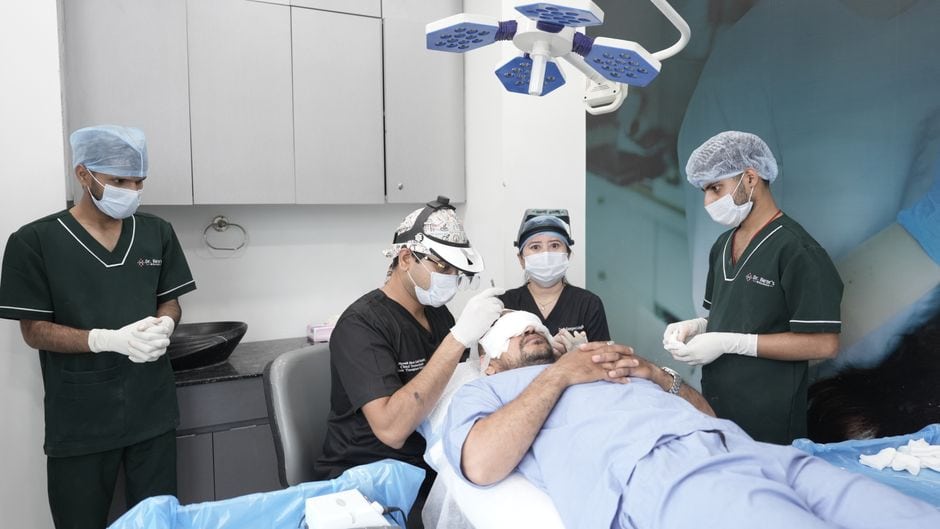
Surgery sounds dramatic and feels like it should be more effective, but non-surgical options often deliver comparable or better results with zero downtime, zero scarring, and minimal risk.
You can get a laser treatment on your lunch break. Microneedling doesn’t require anesthesia or recovery time. Stem cell therapy uses your body’s own healing power. These approaches work with your biology, not against it.
Plus, non-surgical treatments tend to be more affordable than surgical hair transplants, which can run $10,000 to $20,000 or more.
Choosing Your Path Forward
Start by scheduling a consultation with a provider who specializes in non-surgical hair restoration. They’ll evaluate your specific situation, discuss your goals, and recommend the best combination of treatments for you.
If you’re in the Lake Jackson or Brazoria County area, Echelon Medspa offers advanced hair rejuvenation options including laser therapy, microneedling, stem cell-based treatments, and combination protocols. Dr. Jonathan Grady’s team uses FDA-cleared medical-grade technology and builds personalized treatment plans tailored to your needs.
Related: Skin Rejuvenation & Pigmentation Removal: Complete Guide
Related: Facial Rejuvenation in Lake Jackson: A Complete Guide
The key is taking action now. Hair loss gets harder to treat the longer you wait, so the best time to start is when you first notice thinning.
People Also Ask
Can you regrow hair without surgery?
Yes. Laser therapy, microneedling, stem cell treatments, and FDA-approved medications like minoxidil and finasteride can all stimulate hair regrowth without surgery. Results vary by person and treatment type, but many people see meaningful improvement within 3 to 6 months.
What is the most effective non-surgical hair loss treatment?
There’s no single “best” treatment because it depends on your cause of hair loss, genetics, and goals. However, stem cell-based treatments and combination approaches (using multiple therapies together) tend to deliver the strongest results. A consultation can help determine what’s right for you.
How much does non-surgical hair loss treatment cost?
Costs vary widely. Over-the-counter medications like minoxidil run $15 to $30 per month. Clinical treatments like laser therapy or microneedling range from $300 to $800 per session. Stem cell treatments are more advanced and typically cost more. Many providers offer package discounts for multiple sessions.
Is non-surgical hair treatment permanent?
It depends on the treatment and whether you maintain it. Medications like minoxidil only work while you use them, so you’ll need ongoing applications. Laser and microneedling can produce lasting results, but a series of treatments is usually needed upfront, followed by occasional maintenance. Stem cell treatments can provide durable improvement, though some people benefit from periodic touch-ups.