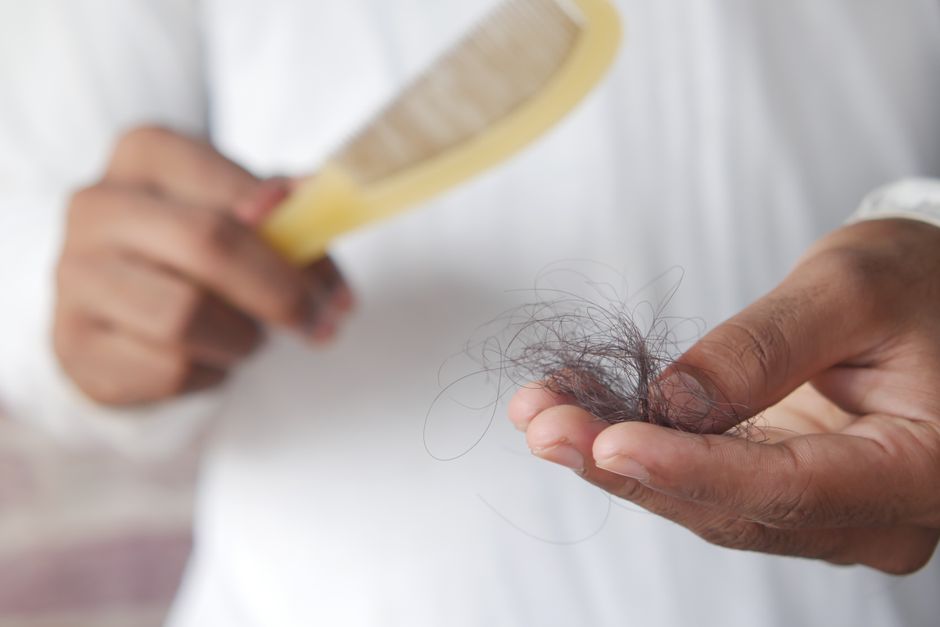
When hair starts thinning or stops growing, it doesn’t always mean it’s gone for good. Sometimes, it’s simply stuck in a quiet phase. That slower cycle can happen for a bunch of reasons, like season changes, age, stress, or even shifts in daily routine. As winter fades and spring begins, many people notice their hair just isn’t bouncing back like it used to.
That’s where modern tools like hair restoration with laser come in. At Echelon in Lake Jackson, Texas, hair restoration uses FoLix, a non-surgical technology that supports regrowth in people with thinning hair. This option gives the scalp a gentle nudge, helping restart those sleepy hair follicles. It’s not magic, but it is based on how our bodies naturally work. And as the season changes, it’s a good time to revisit what really happens just under the surface and why timing matters.
What Causes Hair to Enter a Resting Phase
Hair doesn’t grow at the same pace all the time. Each strand follows its own schedule, shifting between growing, resting, and shedding. At any moment, a lot of your hair might be in one of these calm, non-growing phases. That’s a normal part of the cycle.
But here’s where it gets tricky. As we get older, or deal with things like big weather swings, our growth patterns can slow down. Stress is a big trigger too. Even major life changes or health shifts can pause the process for longer than usual. Hormones change everything, and not just during obvious times like pregnancy or menopause. They’re always working behind the scenes.
That pause doesn’t mean the follicle has shut down forever. Think of it more like it took a break and didn’t get the message to wake up again. That’s where help can make a difference.
How Laser Technology Interacts with Dormant Follicles
Low-level laser therapy uses light to wake up those sleeping follicles. It doesn’t poke or burn or anything harsh. Instead, the light energy moves through the layers of the scalp to reach the base of the follicle, where the growth signal needs to happen.
Here’s what it does once it gets there:
- Boosts blood flow beneath the skin’s surface
- Sends a signal that it’s time for the follicle to shift back into the growth phase
- Supports the cell activity needed to restart the hair cycle
It’s a quiet process. There’s no big dramatic change after one go, but with continued care, the follicles often begin to respond. The best part is that the laser doesn’t hurt the skin itself. It works from underneath, helping support what’s already there, without causing extra stress to the area.
What to Expect During a Laser Hair Restoration Session
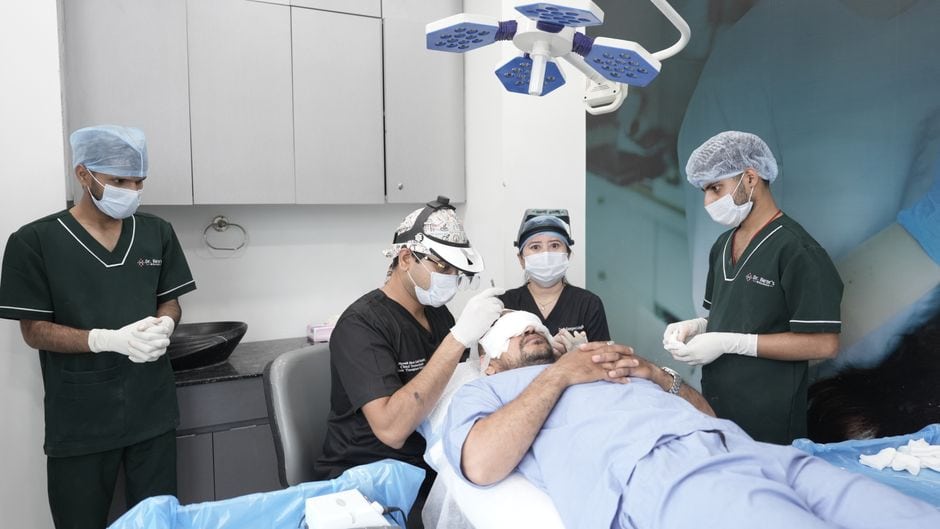
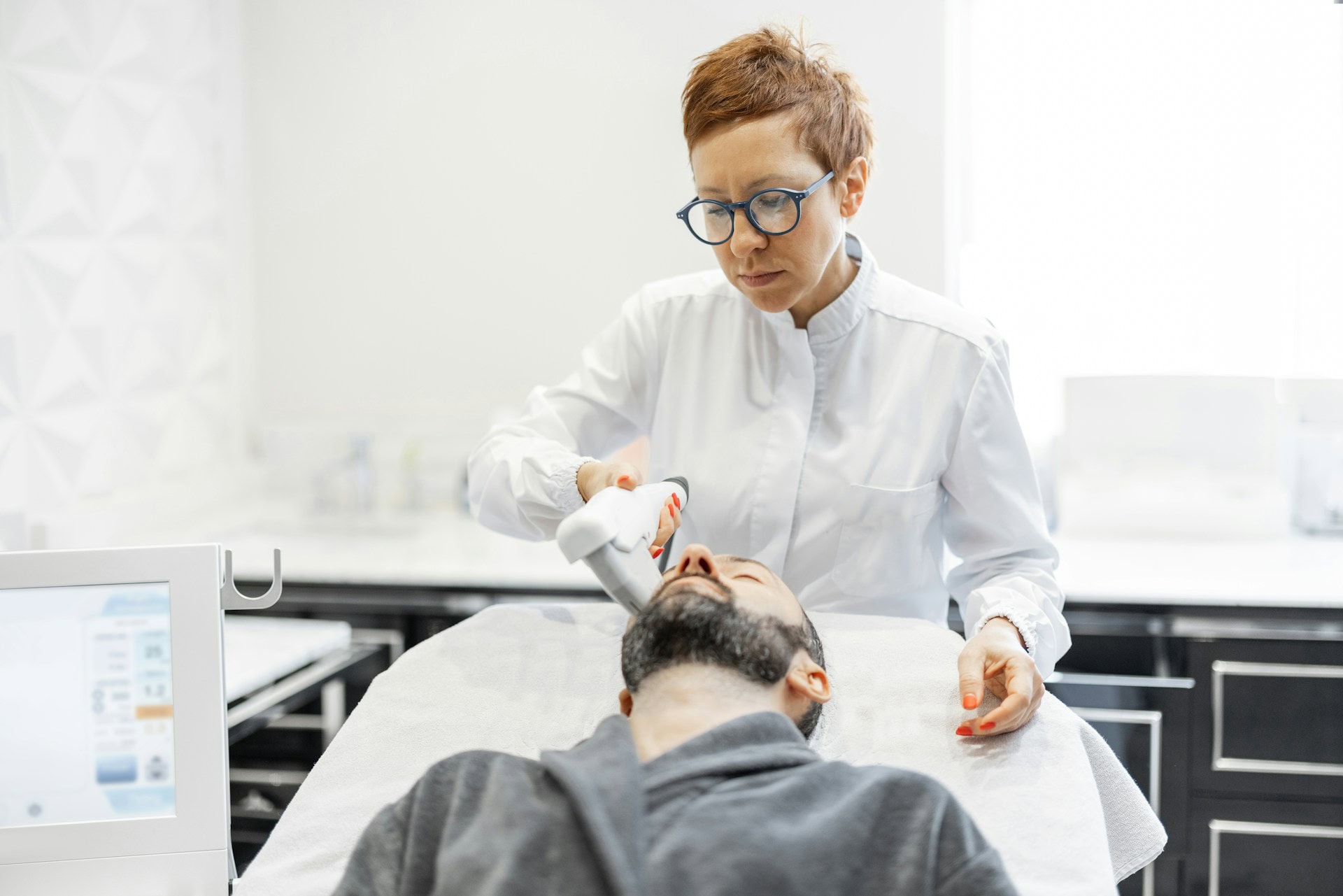
The process itself is pretty straightforward. Most sessions are quick. You show up with clean, dry hair, and the scalp is treated using a laser device focused on key areas. It’s quiet, usually comfortable, and doesn’t require any recovery time afterward.
Here’s what typically happens:
- You’ll talk about your hair condition and goals first
- The treatment area is prepared, and the laser is applied in short bursts
- Afterward, there might be tips on keeping the scalp healthy between visits
Since hair needs time to go through its full cycle, results aren’t instant. But consistency is where progress builds. Most people benefit from doing treatments on a schedule that matches their hair’s natural pace. That plan can shift based on how your hair responds and how long it’s been in a resting phase.
Timing Treatments to Match the Seasons
Spring brings a lot of changes that naturally wake the body back up. The longer days and rising temperatures can also help the scalp respond a little better. Winter slows everything down, including circulation and skin health. As we transition out of that season, hair tends to be more ready to get moving again, if it gets the right support.
That makes it a smart time to start laser-based treatments. Think of it as helping your hair gain momentum, just before summer heat hits. In places like Texas, humidity rises fast. That moisture can actually be good for hair, but only if the scalp is working well.
Beginning in spring sets the stage for better strength and thickness later on. It’s like watering a plant before the sun gets too strong. You’re giving it a head start that pays off when the environment demands more from it.
Stronger Regrowth Starts Below the Surface
Hair thinning often feels permanent, but it’s not always a sign of loss. Sometimes, the follicles are just waiting for a little push. Light therapy doesn’t replace the body’s systems, it supports them. That’s why laser-based treatments can work well for reactivating slow or paused growth cycles without harsh methods.
We often talk with people who feel frustrated because their hair looks the same month after month. It’s understandable. But when follicles are still alive, progress is usually possible. It just takes the right message at the right time.
Spring is a season of small resets. When it comes to hair, now’s the time to build a base that can hold up to longer, hotter months ahead. Starting beneath the surface, small signals, like light, warmth, and care, can make space for stronger strands to grow again. Echelon focuses on bringing upper echelon, non-surgical technologies like FoLix to the Lake Jackson community, so people do not have to travel to larger cities such as Houston for advanced hair restoration.
Warmer weather and longer days make spring an ideal time to give your hair a fresh start. At Echelon, our approach to hair restoration with laser is designed to reactivate your scalp and encourage a healthier growth cycle, helping you move past thinning or stalled growth. Let us support your journey, contact us today to schedule your visit.